
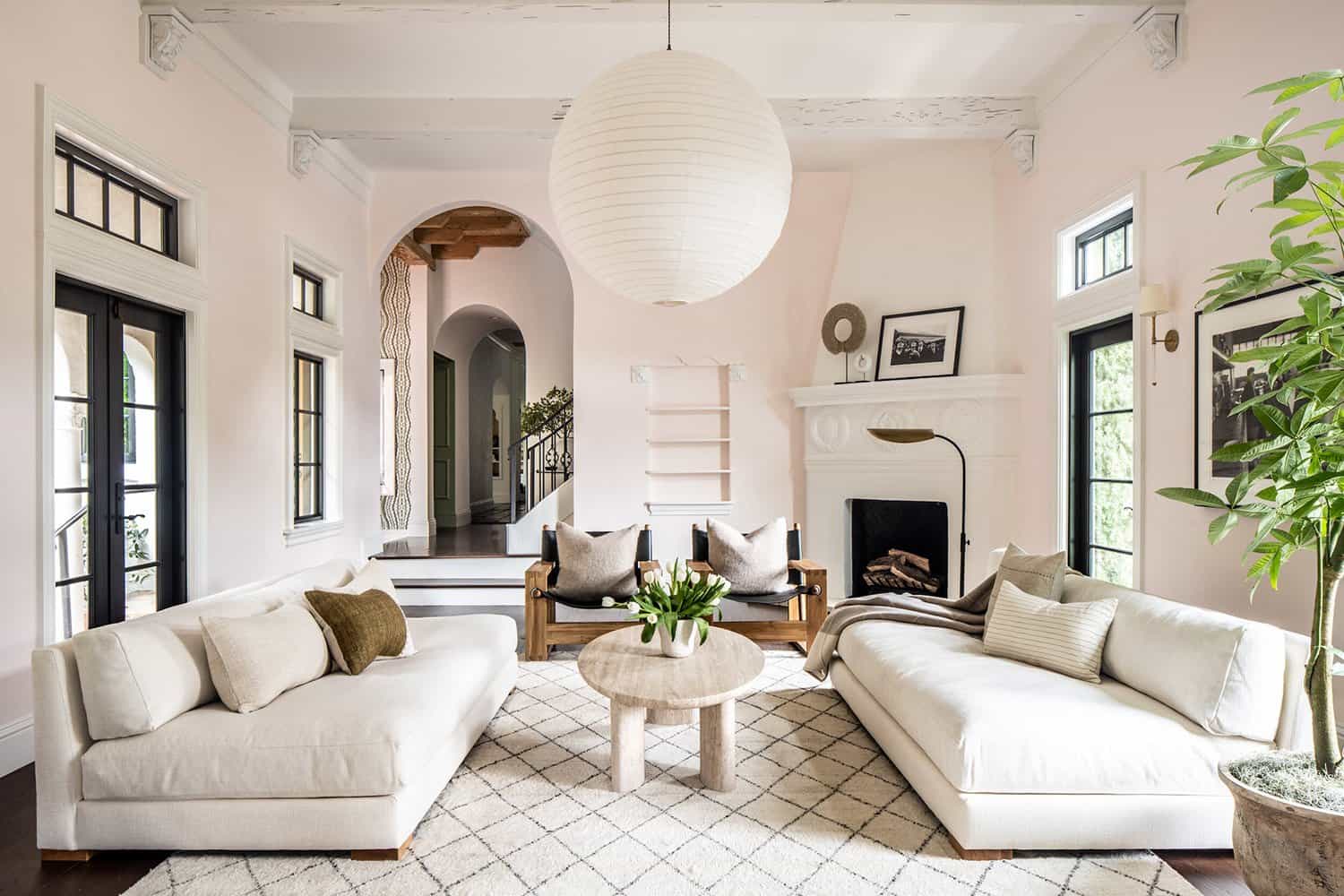
Homes built in the Spanish style have long been prized for their classic appeal, earthy warmth, and rustic grace. Spanish interiors, which have their roots in Spanish architectural traditions and are greatly influenced by Mediterranean, Moorish, and even Mexican design elements, radiate a warm, welcoming, and even romantic ambiance. The interiors of these homes reveal a deeper story—one that displays a love of craftsmanship, natural materials, and a harmonious link between design and environment—than the exteriors, which frequently have terracotta roofs, white stucco walls, and wrought-iron embellishments.
Entering an interior designed in the Spanish style is like entering a room full of spirit and character. Instead than focusing on perfection or contemporary sleekness, the design emphasizes texture, aged finishes, and handcrafted quality. The use of natural materials is among the most noticeable characteristics. In Spanish homes, materials like wood, stone, iron, and clay are prominent in both the architectural design and decorative components. The exposed, dark-stained, heavy wooden ceiling beams instantly attract the eye upward and offer a rustic contrast to the smooth, white plaster walls. In addition to being just ornamental, these beams honor the custom of hand-built houses and enduring craftsmanship.
Terracotta, Saltillo, or even ornamental cement tiles are frequently used for floors in Spanish-style interiors. These materials contribute to the rustic charm that characterizes the design and give the room a grounded, earthy sense. To maintain its texture and patina over time, floors in many homes are either treated with a natural finish or left unpolished. In addition to being beautiful and useful, they are long-lasting and cool underfoot in heated areas.
Smooth or textured plaster in warm, neutral hues like sand, ivory, beige, or off-white is commonly used to finish walls in Spanish interiors. Accent walls can occasionally be painted in richer, deeper colors, such as sage, terracotta, or ochre, to mimic the hues of the surrounding environment. A common feature of kitchen backsplashes, stair risers, fireplace surrounds, and bathroom accents are decorative tiles, which are frequently hand-painted. These tiles frequently have elaborate geometric, floral, or Moorish-inspired designs that give the house a touch of art and cultural identity.
Another characteristic of Spanish-style interior design is the presence of arches. Soft curves and flowing lines are preferred in these homes over abrupt, angular transitions between rooms. The space feels soft and continuous because of the arched windows, doorways, and alcoves. In addition to improving the visual, these architectural features also convey a carefree and sophisticated way of life.
Spanish interior design typically features large, robust, yet elegant furniture. Hand-carved detailing, wrought-iron hardware, and traditional shapes are common features of pieces fashioned from dark, heavy woods like mahogany or walnut. Usually made of earthy-colored leather, cotton, or linen, upholstery is kept natural and basic. Distressed finishes, ornamental legs, and nailhead trim are examples of accents that add to the worn-in appearance. Spanish interior design frequently prioritizes quality over number, letting each piece have visual weight and significance rather than packing the space with too many elements.
Additionally, textiles are essential for softening the rich, rustic structure of Spanish interior design. Cozy throws, embroidered cushions, and handwoven rugs add warmth, color, and texture. These items may originate from places like Mexico, Morocco, or Central America, which have comparable design sensibilities, and frequently feature patterns influenced by historical themes, folk art, or nature. In order to counterbalance the coolness of tile and plaster surfaces, layers of fabric provide warmth and encourage relaxation.
The way light is used in Spanish-style interior design is among its most alluring features. In warm climates, these homes are made to take full advantage of natural sunlight while offering cooling and shade. Soft, diffused light streams in via large windows that are frequently framed in wrought iron or dark wood. Heavy drapes or interior shutters made of natural fibers contribute to the old-world charm while assisting in controlling light and temperature. Wrought-iron chandeliers, wall sconces, and lantern-style pendants with amber or frosted glass are common artificial lighting fixtures in Spanish houses that provide a cozy, welcoming ambiance all night long.
The center of the house is the Spanish-style kitchen, which exudes warmth and practicality. These kitchens typically include tiled counters, wrought-iron pot racks, open shelves, and rustic cabinetry. Artisanal cookware, copper pots, and ceramic plates are prominently displayed, lending character and functionality. It is perfect for family get-togethers and shared meals because the design frequently promotes group cooking and informal dining. A wooden farmhouse table or central island is frequently used as a gathering place and place to work.
Another characteristic of Spanish-style interior design is the fireplace, which frequently serves as the center of attention in the living or dining room. Usually constructed with rectangular shapes or adobe-style curves, these fireplaces are embellished with wrought-iron grates, sculpted mantels, or ornamental tile work. They are sculptural features that arouse feelings of comfort and heritage in addition to serving as heat sources.
Spanish-style homes’ bedrooms provide a calm and centered haven. Handcrafted side tables, embroidered linens, and arched headboards are typical features of wood or iron beds. Simple wall treatments could let the materials and textures do the talking. Rugs or ornamental tiles provide interest without taking over the room. The atmosphere is formal yet laid-back, earthy yet majestic.
Even though they are frequently small, bathrooms are intricately designed. An intimate, almost romantic setting is created by combining wrought-iron light fixtures, colorful tile inlays, arched mirrors, and hand-painted sinks. Textures are preferred over gloss, and the color scheme is warm and organic. Authenticity and charm are added by features like open shelving, accessories in the style of pottery, and fixtures in the style of the past.
It’s common to think of outdoor areas as extensions of indoor settings. An indoor-outdoor lifestyle is promoted by the design’s seamless integration of courtyards, patios, balconies, and verandas. These spaces frequently have terracotta floors, water features, potted plants, and padded benches beneath arches or pergolas. With its sturdy textiles, hardwood tables, and wrought-iron frames, the outdoor furniture reflects the indoor selections. Nature is not an afterthought in Spanish design; rather, it is a necessary component of domestic life.
Spanish interior design always uses color for a reason. Deep blues, rich reds, mustard yellows, and vivid greens can be used as accents while the primary palette stays neutral and earthy. These hues are frequently found in artwork, textiles, and ornamental tiles. Overall, the result is vibrancy without confusion and richness without clutter.
Homes built in the Spanish design don’t depend on fads. Rather, they emphasize craftsmanship, longevity, and a connection to the land by drawing on centuries of creative and architectural history. From the tiniest tile to the largest arch, every component seems thoughtfully selected and deeply symbolic. The style remains consistent even in contemporary adaptations; it may be modified, but it is never subdued.
In the end, an apartment designed in the Spanish style gives more than just visual appeal. It gives you a feeling of place, warmth, and history. It encourages you to take your time, enjoy the craftsmanship, texture, and the way light and shadow interact. People who appreciate classic design, cultural diversity, and genuine comfort will find resonance in this style. Adopting Spanish interior design adds a world of coziness and character to daily life, whether you’re remodeling a house, decorating a single room, or just getting ideas.