
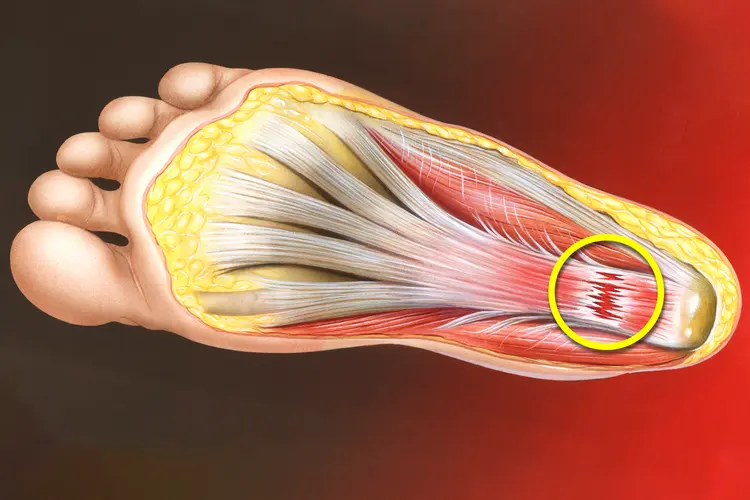
Relief from heel pain often feels like the problem has finally disappeared, but comfort does not always mean the injured tissue has fully recovered. The plantar fascia heals gradually, and returning to everyday routines too quickly can place renewed stress on a structure that is still rebuilding. Understanding what happens after the pain eases helps lower the chance of another painful setback.
Why Heel Pain Often Fades Before the Tissue Fully Heals
Pain usually decreases before healing is complete because inflammation often settles faster than damaged tissue repairs itself. The plantar fascia is a thick band of connective tissue with a limited blood supply, so recovery naturally takes time. Someone with plantar fasciitis may notice less discomfort after several days of rest, yet small tears within the fascia can still be present beneath the surface.
Reduced pain sometimes creates a false sense of confidence. Walking farther, exercising harder, or standing longer may overload tissue that has not regained its full strength. Allowing additional healing time gives the fascia a better opportunity to recover instead of repeatedly restarting the injury cycle.
How Returning to Normal Activity Too Soon Can Trigger Pain Again
Daily routines often resume the moment symptoms improve, but sudden increases in activity place immediate strain on the heel. Running, hiking, sports, or even extended shopping trips can overload the recovering fascia before it is ready to tolerate repeated impact. That extra stress may cause heel pain to return within days.
Gradual progression produces better long-term results. Increasing walking distance, exercise intensity, or standing time in small stages allows the tissue to adapt without becoming irritated again. Recovery tends to remain more consistent when activity levels increase patiently instead of all at once.
Understanding the Daily Habits That Keep Plantar Fasciitis Active
Small habits repeated every day often influence recovery more than occasional exercise. Walking barefoot across hard flooring, wearing worn-out shoes, skipping stretching routines, or standing in one position for long periods continually place tension on the plantar fascia. These repeated stresses may slow healing even when pain temporarily improves.
Body mechanics also deserve attention. Weight distribution, foot alignment, and walking patterns all affect how pressure travels through the heel during normal movement. A plantar fasciitis specialist often evaluates these everyday habits because correcting them helps reduce repeated irritation before symptoms become chronic.
What Temporary Pain Relief Does Not Reveal About Recovery
Ice, anti-inflammatory medication, massage, and rest frequently make the heel feel better, but symptom relief alone cannot confirm that healing is complete. These approaches reduce discomfort without necessarily restoring the strength and flexibility needed for long-term recovery. Feeling comfortable today does not always predict how the foot will respond tomorrow.
Recovery should also include restoring normal function. Healthy tissue tolerates walking, standing, climbing stairs, and recreational activities without recurring pain afterward. Monitoring how the foot responds during and after activity often provides a more accurate picture of progress than pain levels alone.
The Role of Supportive Footwear in Preventing Future Flare Ups
Footwear directly influences the amount of stress transferred into the plantar fascia. Shoes with stable arch support, appropriate cushioning, and proper heel stability help distribute pressure more evenly throughout the foot. Older footwear gradually loses these protective features even if it still appears usable.
Support should match daily activities as well. Athletic shoes designed for running may not perform well during long work shifts on concrete floors, while casual shoes sometimes provide very little structural support. A Decatur podiatrist frequently reviews footwear choices because replacing unsupportive shoes can significantly reduce recurring heel strain.
How Tight Calf Muscles Continue to Stress the Plantar Fascia
Limited flexibility in the calf muscles changes how the foot moves during walking. Tight calves reduce ankle mobility, forcing the plantar fascia to absorb additional tension with every step. Over time, this repeated pulling places greater stress where the fascia attaches to the heel bone.
Regular stretching improves movement throughout the lower leg while reducing excessive strain on the foot. Gentle calf stretches performed consistently often support better recovery than occasional aggressive stretching sessions. Improving flexibility helps address one of the underlying mechanical contributors to recurring heel pain.
Why Long Periods of Standing Can Restart Heel Pain Symptoms
Standing for several hours without adequate support places continuous pressure on the heel, even without vigorous activity. Teachers, healthcare workers, retail employees, warehouse personnel, and factory workers often spend much of the day on hard surfaces where the plantar fascia receives little opportunity to recover.
Scheduled movement breaks help reduce that constant stress. Alternating positions, using supportive floor mats when available, and wearing appropriate footwear lessen repeated loading throughout the workday. These simple adjustments may reduce symptom flare-ups before they interrupt daily responsibilities.
What Ongoing Foot Support Means for Long Term Plantar Fasciitis Control
Managing plantar fasciitis successfully often requires continued attention even after symptoms improve. Stretching routines, supportive footwear, activity pacing, weight management, and periodic self-monitoring help protect the plantar fascia from repeated overload. Long-term care focuses on preventing future irritation rather than waiting for pain to return. Individuals searching for a podiatrist in Decatur AL, a plantar fasciitis doctor, or experienced guidance from a plantar fasciitis specialist can benefit from working with The Foot Clinic. Through personalized evaluations, treatment planning, and practical recommendations for everyday foot care, The Foot Clinic helps patients build healthier movement habits that support lasting relief instead of temporary improvement.