
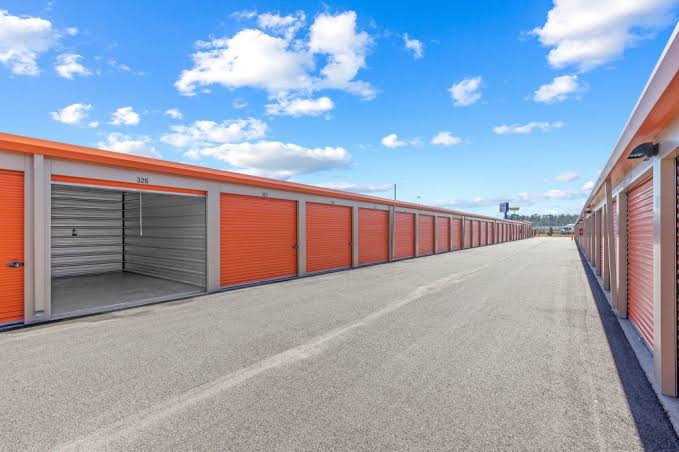
Space on paper can look generous until a wide sofa meets a narrow doorway or a tall stack reaches the ceiling too soon. Door width controls what can enter, while ceiling height determines how much vertical room renters can use. Understanding both measurements helps people compare storage units more accurately and avoid problems on moving day.
Why Square Footage Does Not Tell the Whole Story
Advertised unit sizes usually describe floor area, not total usable capacity. A 10-by-10 unit offers 100 square feet, yet its real usefulness depends on the entrance dimensions, ceiling clearance, wall shape, and any fixtures inside. Renters who focus only on length and width may select a space that holds enough volume but cannot accept their largest belongings.
Interior features can reduce capacity in ways that are easy to miss. Beams, pipes, sprinkler heads, lighting, door tracks, and sloped ceilings may limit where tall items or shelving can stand. Asking for actual interior measurements gives a clearer picture than relying on the unit’s listed size alone.
Door Width Decides Which Large Items Can Enter
Wide furniture often causes the greatest loading problems. Sofas, armoires, mattresses, appliances, workbenches, and commercial equipment may fit inside the room but fail to pass through the opening. Measuring each item at its widest point allows renters to compare those dimensions with the clear width of the storage door.
Handles, hinges, trim, and roll-up door guides can make the usable opening smaller than the surrounding frame. Removable furniture legs or appliance doors may solve a tight fit, although disassembly should happen before arriving at the facility. Tilting an object can also help, but only if the hallway, driveway, and ceiling provide enough turning space.
Door Height Matters for Upright Loading
Tall items sometimes enter more safely in an upright position. Refrigerators, cabinets, bookcases, display racks, and boxed equipment may become harder to control when tipped sideways. A taller entrance allows movers to keep these pieces balanced and reduces the need for awkward lifting.
Clearance above a roll-up door should receive special attention. The door may rise into the unit and occupy part of the overhead area near the entrance. Checking the full opening height prevents renters from assuming that the interior ceiling remains equally accessible from front to back.
Ceiling Height Adds Capacity Without Adding Floor Space
Vertical room can make a smaller unit more useful. Sturdy shelves, uniform boxes, and stackable containers allow renters to build upward while preserving walking space below. Higher ceilings may therefore provide better value for belongings that can be packed safely in stable columns.
Volume gains disappear when items cannot support weight. Mattresses, lamps, fragile cartons, upholstered furniture, and irregular equipment rarely stack efficiently to the top. Realistic planning should separate strong, stackable belongings from pieces that require open space around them.
Safe Stacking Sets the Practical Height Limit
Ceiling clearance does not mean renters should stack everything as high as possible. Heavy cartons placed near the top can fall, crush lighter goods, or become difficult to remove. Dense items such as books, tools, files, and dishes belong low, while lighter boxes can sit above them.
Stable rows need level surfaces and containers in good condition. Damaged cardboard, partly filled cartons, and mismatched lids can shift under pressure. Leaving a small gap below lights, sprinklers, or other overhead equipment also helps protect belongings and follow facility rules.
Turning Space Can Be as Important as the Opening
Long objects need room to rotate after crossing the doorway. A couch may pass through the entrance yet become stuck if the unit is too shallow to turn it into position. Measuring the item’s diagonal length can reveal whether enough clearance exists for that movement.
Hallways and exterior drive lanes affect the same process. Indoor storage units may have corridor corners, elevators, or access doors that are narrower than the unit itself. People searching for storage units near me should review the complete route from the vehicle to the rented space, not just the final doorway.
Shelving Makes Better Use of Tall Interiors
Freestanding shelves can turn ceiling height into organized capacity. Boxes remain visible, frequently used items stay within reach, and fragile goods avoid pressure from heavy stacks. Proper shelving also creates cleaner aisles than piles built directly from the floor.
Weight ratings deserve careful review before shelves are loaded. Metal units may hold tools or business inventory, while lighter plastic models work better for household supplies. Anchoring restrictions should be confirmed with the facility because renters may not be allowed to drill into walls or floors.
Wide Doors Speed Up Loading and Reduce Damage
Broader entrances give movers more room to carry furniture without scraping walls, door tracks, or finished surfaces. Carts and dollies can enter more easily, which may reduce lifting time and physical strain. Businesses moving inventory may also load larger cartons or equipment with fewer adjustments.
Efficiency matters during repeated visits. Customers who retrieve seasonal goods, records, tools, or merchandise may benefit from an opening that supports quick access. Narrow doors can work for boxed household items, but frequent commercial use often calls for more generous clearance.
Measure Before Comparing Available Units
Accurate planning starts with the largest, tallest, and least flexible belongings. Record their dimensions, note whether parts can be removed, and allow room for protective blankets or packaging. Comparing those figures with the door opening and ceiling height can prevent last-minute changes.
Storage Partner offers storage units in different sizes for household belongings, moving needs, business inventory, and seasonal property. Customers comparing storage units near me can review available dimensions and access features to find a space that supports both easy loading and practical vertical organization. Matching door width and ceiling height to the actual items being stored helps renters use their space more effectively from the first trip.