
A well-designed framing kit gives builders more than a collection of metal pieces. Its parts work together as a complete system, allowing equipment frames, workstations, guards, carts, and enclosures to take shape without welding. Understanding what belongs in the package helps buyers compare options and avoid delays caused by missing hardware or incompatible components.
The Extrusions Form the Kit’s Structural Backbone
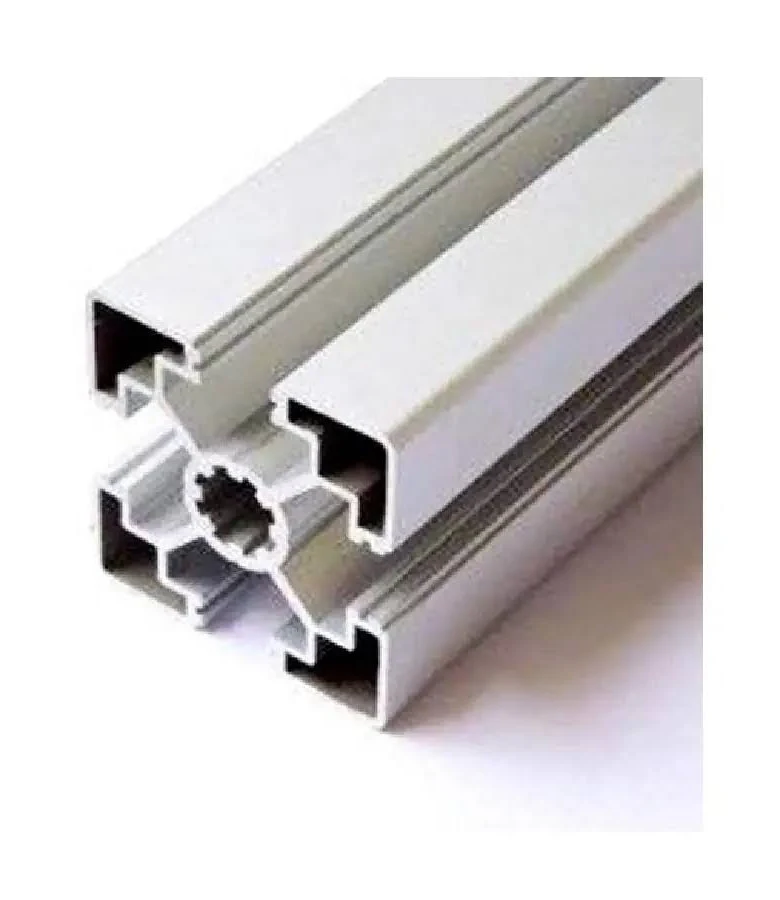
Profiles make up the main body of an aluminum framing kit, so their dimensions, strength, and slot design affect the entire build. Manufacturers produce these rails by forcing heated aluminum through a shaped die, creating long sections with consistent cross-sections. Common profiles include square, rectangular, lightweight, and reinforced designs suited for loads ranging from simple display stands to industrial machine bases.
Along each profile, channels allow fasteners and accessories to connect at almost any position. An extruded aluminum T slot accepts nuts that slide into the channel, giving installers freedom to adjust a bracket before tightening it. This design also makes later changes easier because workers can move components without drilling new holes or cutting apart welded joints.
Why Profile Size and Alloy Quality Matter
Different projects place different demands on aluminum framing material. A compact sensor mount may need only a narrow, lightweight rail, while a conveyor support could require a wider profile with thicker internal walls. Reliable kits clearly identify profile dimensions, slot width, weight per length, and recommended load information so designers can select suitable pieces.
Material quality also affects straightness, surface finish, and long-term performance. MiniTec extruded aluminum framing typically uses precisely formed profiles that support accurate alignment across connected sections. Consistent geometry matters because even a slight twist can create gaps, uneven doors, or mounting problems in larger assemblies.
Connectors Keep Each Joint Square and Secure
Brackets, joining plates, and internal connectors turn separate profiles into a stable structure. Corner brackets provide quick right-angle connections and remain visible for easy inspection. Joining plates spread force across a broader surface, making them useful where a frame may experience vibration, repeated movement, or heavier loading.
Hidden fasteners create a cleaner appearance by fitting inside the profile or slot. These parts often require specific machining, such as access holes or tapped ends, but they leave exterior faces open for panels and accessories. A quality T slot extrusion package may include several connector styles because one fastening method rarely suits every joint in a complex frame.
T-Slot Nuts and Bolts Make Assembly Adjustable
Fasteners may look like minor items, yet they determine how smoothly the structure goes together. T-nuts sit inside the profile channel and provide threaded attachment points for brackets, hinges, handles, and other hardware. Drop-in, slide-in, and roll-in versions serve different assembly needs, especially when builders must add a component after the frame is already closed.
Bolts should match the thread size, bracket thickness, and slot system included in the kit. Properly paired hardware prevents loose joints and reduces the chance of damaging threads during installation. With T slot aluminum extrusion, installers can loosen a connection, shift its position, and retighten it without weakening the surrounding profile.
End Caps, Covers, and Feet Finish the Structure
Protective components improve both safety and appearance. End caps close exposed profile openings, covering sharp edges and keeping dust or debris out of internal cavities. Slot covers press into unused channels to create smoother surfaces and help prevent wires, metal chips, or small objects from collecting inside.
Leveling feet support frames on uneven floors and allow workers to adjust height at individual corners. Casters may replace fixed feet when the finished assembly needs to move between work areas. Depending on the application, a MiniTec Aluminum Framing kit may also include floor anchors, mounting plates, vibration pads, or adjustable bases.
Panel Hardware Supports Guards and Enclosures
Machine guards and work cells often require polycarbonate, wire mesh, sheet metal, or composite panels. Panel retainers, clips, gaskets, and mounting blocks hold these materials inside or against the profile openings. Correct hardware keeps panels secure while allowing damaged sections to be removed without dismantling the entire frame.
Doors require additional parts, including hinges, latches, stops, handles, and magnetic catches. Careful kit selection ensures those accessories fit the chosen slot series and profile dimensions. Compatibility becomes especially important around moving doors, where poor alignment can cause binding, rattling, or uneven gaps.
Machined Profiles Can Save Hours During Installation
Precut rails reduce measuring and sawing at the jobsite. Better suppliers cut each section to specified lengths and may add tapped holes, counterbores, access ports, or angled ends based on assembly drawings. Factory machining often produces cleaner results than field modifications, particularly where several holes must line up across multiple parts.
Numbered pieces and clear labels further simplify construction. Builders can match each rail to a drawing, confirm its orientation, and assemble sections in sequence. Detailed packaging also lowers the risk of mixing similar-looking profiles or using the wrong fastener in a connection.
Documentation Belongs in a Complete Framing Package
Assembly drawings show how profiles, brackets, and accessories fit together. Helpful documents include dimensions, part numbers, fastener locations, cut lengths, and recommended tightening information. Clear instructions reduce guesswork and help teams build identical units across several locations.
Parts lists provide another useful check before assembly begins. Installers can compare the shipment against the bill of materials and report shortages before work starts. For projects requiring dependable components, compatible accessories, and application support, MiniTec Solutions supplies modular framing systems that help builders select an aluminum framing kit suited to the structure’s size, function, and operating environment.