
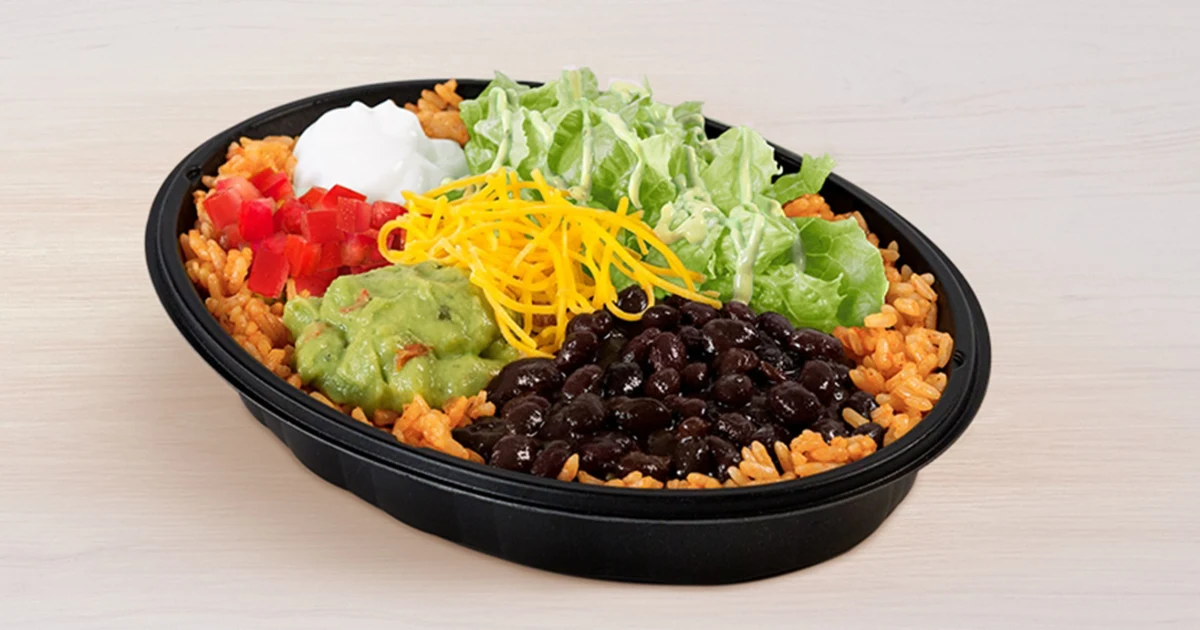
Fast food is frequently blamed for being unhealthy due to its high calorie, fat, and sugar content. However, a lot of fast food restaurants have adjusted to the health-conscious world of today by providing lower-calorie options that let consumers enjoy convenience without compromising their nutritional objectives. When people need a quick dinner but still want to eat a balanced diet, knowing which fast meals have the fewest calories helps them make wise decisions. This article examines the idea of low-calorie fast food, its significance, how to spot these options, and instances of well-liked products that meet the criteria.
Fast food, which frequently consists of substantial amounts high in fat, sodium, and sugar, has long been linked to indulgence. If these substances are regularly eaten in excess, they might cause weight gain and other health issues. Fast food is still a popular option, nevertheless, because of its availability, taste, price, and ease of use. Fast food is associated with convenience and time constraints for many people in addition to hunger. The food sector has begun to adapt to the increased demand for healthier products after realizing this.
Fast food items that use less high-calorie ingredients, like fried foods, creamy sauces, and sugary drinks, tend to have the fewest calories. Rather than frying, these dishes use culinary techniques like grilling or baking, and they place an emphasis on lean proteins, veggies, and nutritious grains. Understanding menu options and nutritional data—which many chains now offer online or in-store—is essential to locating low-calorie fast food.
A prevalent misunderstanding is that fast food is always unhealthy. There are plenty of tasty meals under 500 calories, even though many fast food meals do include too many calories. For instance, a lot of establishments have salads with mild dressings, grilled chicken sandwiches devoid of cheese or mayonnaise, or little wraps stuffed with lean meats and veggies. To further cut calories, pair these with water or other unsweetened beverages rather than soda.
Portion size is an additional consideration. Large portions of several fast food items make it simple to eat more calories than you anticipated. Selecting “junior” or “small” portions or products can assist reduce caloric intake without sacrificing flavor. A lower-calorie dinner can also be supported by choosing healthy side dishes like apple slices, side salads, or yogurt instead of calorie-dense ones like fries or onion rings.
These ideas have been implemented into the menus of well-known fast food companies. Customers can find meals that meet their calorie targets more easily because many have special areas for lighter or healthier selections. For example, grilled chicken sandwiches are frequently served on whole wheat buns with fresh lettuce and tomato. Low-fat dressings can be used to personalize salads with grilled proteins and a range of veggies. Some eateries provide a wholesome and substantial option with bowls that combine quinoa or brown rice with steaming veggies and lean protein.
Breakfast options at fast food restaurants can also be low in calories. Products like porridge with fruit on top or egg white sandwiches with veggies on English muffins provide a healthy mix of nutrients without being overly caloric. Breakfast can be made healthier and lighter by avoiding processed meats like sausage, butter, and syrup.
Drinks are a major contributor to the total number of calories consumed at fast food establishments. Specialty coffee beverages, milkshakes, and sugary sodas can add hundreds of calories without offering much in the way of nutrients. Drinking black coffee, unsweetened iced tea, or water drastically lowers caloric consumption. As substitutes, some chains also sell diet sodas or flavored sparkling waters.
The nutritional value of low-calorie fast food should also be taken into account, even though it can help with weight loss and other health objectives. Nutrient density, fiber content, vitamins, and minerals are important factors in addition to calories. Certain low-calorie foods might contain additives and preservatives, or they might be high in sodium. It is therefore advised to read nutritional labels and, whenever feasible, select products that contain whole food ingredients.
Customizing orders is another way to savor low-calorie fast food. Customers can ask for changes at a lot of fast food establishments, such adding more veggies or deleting cheese, mayonnaise, or sauces. While preserving flavor and satisfaction, these minor adjustments can have a big impact on calorie content. Making these decisions proactively gives customers the ability to manage their diet, even while they are eating fast food.
There are now more options for low-calorie meals thanks to the growth of fast casual dining. Fresh ingredients, build-your-own meals, and clear nutritional information are frequently highlighted in fast casual dining establishments. This method makes it easier for diners to manage their calorie intake and choose precisely what goes into their meals. For instance, fast-casual Mexican eateries might have burrito bowls that omit the high-calorie cheese and sour cream in favor of grilled chicken, beans, vegetables, and salsa.
Fast food consumption should be balanced with other healthful eating practices, even though there are lower-calorie alternatives available. Nutrients that fast food may not include are found in complete, minimally processed foods including fruits, vegetables, nuts, and whole grains. A nutrient-rich diet combined with occasional low-calorie fast food meals enhances general health and wellbeing.
Public knowledge of nutrition and health issues has prompted fast food chains to rework their recipes and launch new products in recent years to appeal to consumers who are health-conscious. This change helps people who want convenience without sacrificing their health. Fast food menus now provide a wider variety of options that can accommodate different nutritional preferences and calorie objectives, from veggie-packed sandwiches to lean grilled proteins and fresh salads.
In conclusion, fast food options with the fewest calories show that convenience and health can coexist. Customers can enjoy fast food without consuming too many calories by knowing how to recognize these meals, paying attention to portion sizes, choosing the appropriate sides and beverages, and personalizing their orders. Fast food can fit into a healthy lifestyle when chosen carefully, but it shouldn’t take the place of a balanced diet of whole foods. People now have more options than ever before to make calorie-conscious, on-the-go decisions because to the ongoing evolution of fast food menus.