
One of the most widely used and successful methods for replacing lost teeth is dental implants. They provide a long-lasting, effective, and natural-looking substitute that can significantly enhance confidence and oral health. The healing process and the time it takes for dental implants to completely integrate with the body are common questions for anyone thinking about getting one. Setting reasonable expectations and making sure you receive the right treatment throughout the process require an understanding of the dental implant recovery timetable.
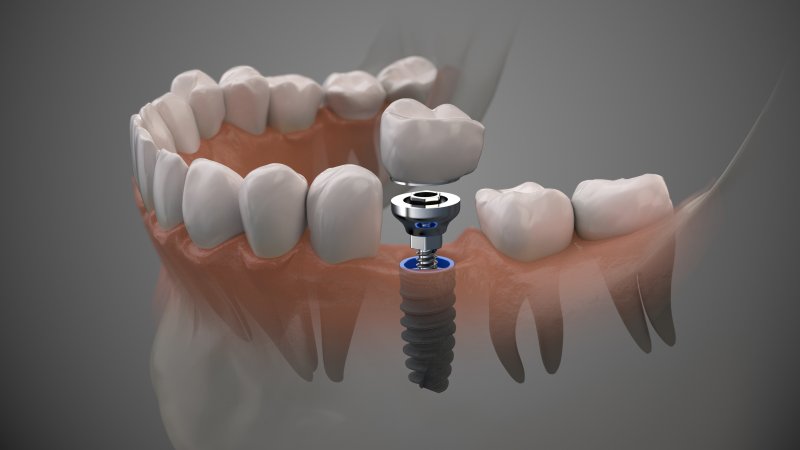
A tiny titanium post is surgically placed into the mandible to serve as an artificial tooth root in dental implants. For the eventual attachment of a crown, bridge, or denture, this post provides a sturdy base. Osteointegration, a biological process in which bone cells develop around and bond to the titanium implant’s surface, firmly anchoring it in place, is essential to the implant’s success. Because it gives the implant the strength and durability it needs to perform like a natural tooth root, this fusion is essential.
Following dental implant surgery, the healing process takes place in phases and differs from person to person based on a number of variables, such as age, general health, oral hygiene, and jawbone condition. It usually takes one to two weeks for the soft tissues, such the gums, to begin to heal. With the right care and medicine as directed by the dentist or oral surgeon, swelling and discomfort are normal during this time but usually go away in a few days.
The more important stage of osseointegration starts after the gums have initially healed. The jawbone increasingly integrates with the implant surface during this period, which typically lasts three to six months. The length of time is determined by the density and quality of the person’s bone, which affects how rapidly the bone cells proliferate and adhere to the implant. While patients with bone loss or underlying medical disorders like diabetes or osteoporosis may take longer to heal, individuals with high bone density typically heal more quickly.
Avoid applying too much pressure to the implant site during the osseointegration phase. To avoid interfering with the healing process, many dentists advise either avoiding chewing on that side of the mouth or getting a temporary restoration. Maintaining good dental hygiene is also necessary to avoid infection, which could compromise the implant’s success.
If the patient does not have enough jawbone to support the implant, the dental implant process may occasionally require further steps, such as bone grafting. In order to strengthen the jaw’s bone structure, bone grafting is a different surgical technique. Because the graft must fuse with the existing bone before the implant can be inserted, the healing period may be prolonged by several months if bone grafting is required. Before the final restoration is possible, this could cause the entire process to take anywhere from six months to a year or longer.
The dentist will then attach the abutment, a connection piece that connects the implant to the fake tooth or crown, when osseointegration has been verified, which is usually determined by clinical examination and X-rays. Before the final crown is affixed, the gums surrounding the abutment may need to heal for a few weeks. This guarantees a natural look and a snug fit.
Although the implant may feel solid before to crown placement, full functional use and long-term success rely on the healing and integration process being finished. An infection, implant failure, or other issues may result from rushing the crown’s placement.
Frequent follow-up appointments with the dentist are essential to track progress and quickly address any problems during the healing period. Patients should report any unexpected implant mobility, pain, or swelling as these could be signs of issues that require quick care.
The length of time it takes for dental implants to heal and their success rate might be affected by certain lifestyle choices. For instance, smoking considerably slows down the healing process and raises the possibility of implant failure since it impairs immune function and reduces blood flow. In a similar vein, inadequate nutrition or uncontrolled diabetes can impede bone repair. As a result, patients are urged to lead healthy lives, adhere to post-operative care guidelines, and have open lines of communication with their dental professionals.
In conclusion, the healing period for dental implants usually takes a few weeks for soft tissue repair and several months for full osseointegration. From implant placement to the final restoration, patients should anticipate that the complete process would typically take three to six months. However, this timetable may be prolonged by unique factors such bone quality, extra surgeries, and personal health. Achieving successful and long-lasting dental implant results requires patience, appropriate care, and close coordination with a dental professional. Dental implants make the healing process worthwhile because they not only restore smiles but also enhance quality of life.