
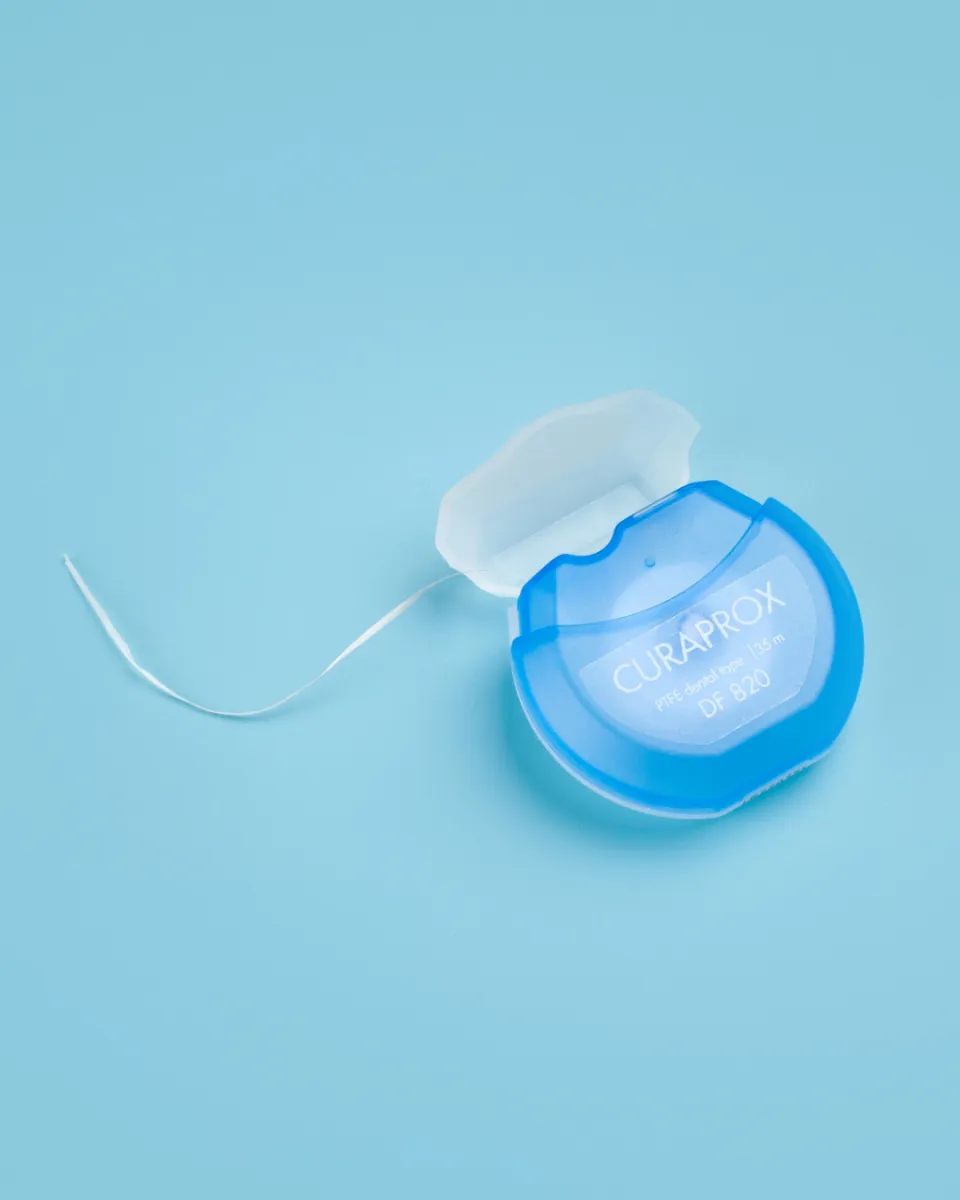
In order to help maintain oral hygiene, dental tape is a form of interdental cleaning tool that removes food particles and plaque from spaces between teeth that are frequently inaccessible to toothbrushes. Dental tape is a type of floss that offers a distinct texture and size to accommodate persons with particular dental needs and preferences, even though many people are familiar with standard dental floss. People can make better decisions for their oral hygiene routines if they are aware of what dental tape is, how it varies from floss, and its advantages.
In essence, dental tape is a thin, ribbon-like piece of material that is used to clean the small gaps between teeth. Dental tape can cover more surface area while slipping between teeth since it is flatter and wider than circular dental floss. Because of its unusual shape, dental tape is especially well-suited for people who have larger spaces between their teeth or who find it difficult or uncomfortable to work with thin floss. Compared to some floss kinds, dental tape’s flat surface also offers a mild cleaning action that lessens gum discomfort.
As with other varieties of dental floss, dental tape is usually made of nylon or Teflon (PTFE). Certain dental tapes have tastes like mint or wax applied to them to improve cleaning and make it easier for the tape to move between teeth. Personal preference frequently determines whether to use waxed or unwaxed dental tape. While unwaxed tape may offer a slightly rougher texture that some find useful for removing plaque, waxed tapes are typically easier to slide between small spaces without shredding.
Maintaining proper oral hygiene and avoiding dental issues like cavities, gum disease, and foul breath depend on using dental tape correctly. Cutting a proper length of tape—usually about 18 inches—and gently moving it back and forth between the teeth is the procedure. To properly clean both sides of the interdental area, the tape should be curved in a C shape around the side of each tooth. To avoid injury or bleeding, the tape should not be snapped or forced into the gums.
Plaque, a sticky layer of germs that builds up on teeth and causes gum disease and tooth decay, may be effectively removed with dental tape, which is one of its key advantages. In regions that toothbrush brushes can’t always fully reach, including the crevices between teeth and the gum line, plaque tends to build up. In order to maintain healthier gums and teeth, dental tape gets to these areas, disrupting and removing the plaque. Using dental tape on a regular basis helps lower the risk of periodontal disease, bleeding gums, and inflammation.
People who have wider spaces between their teeth or who find floss difficult to manage because of its thinness tend to favor dental tape over standard round floss. Cleaning is less laborious because dental tape’s wider surface covers more ground more quickly and comfortably. Dental tape’s softer action, which lowers the possibility of minor cuts or abrasions, may also be advantageous for people with sensitive gums or those who are prone to gum inflammation.
As part of a thorough oral hygiene regimen, dental professionals also frequently recommend dental tape. In addition to routine brushing, dentists and hygienists frequently recommend that patients use floss or interdental cleaners at least once daily. Using dental tape as part of your regular oral hygiene routine keeps your breath fresher and stops tartar from accumulating, which happens when plaque hardens and becomes impossible to remove with brushing and flossing alone.
Dental tape can be used for a variety of dental procedures and treatments in addition to personal oral hygiene. For example, dental tape can be used to clean areas around braces, bridges, and implants where routine brushing may not be enough during professional cleanings or orthodontic care. Depending on the specific dental condition, different kinds of dental tape or comparable interdental cleansers could be suggested.
Things like thickness, texture, and whether the tape is waxed or not should all be taken into account when choosing dental tape. While some companies give ultra-thin dental tape for narrower gaps, others offer extra-thick tape for people with broad distances. Selecting the appropriate kind can promote consistent use by improving flossing comfort and effectiveness. To find the ideal fit, you might need to try a few different types.
Although dental tape is a useful tool, it should be remembered that it is only one component of a thorough oral hygiene routine. It is equally crucial to use mouthwash, brush your teeth twice a day with fluoride toothpaste, and get frequent dental checkups. By focusing on difficult-to-reach places between teeth, dental tape enhances existing procedures rather than taking their place.
In order to prevent typical mistakes like snapping the tape, which can cause gum damage, or not reaching far enough below the gum line, where plaque tends to develop, it is also crucial to use dental tape correctly. People who have never used dental tape before may find it difficult at first, but they will gain a lot from professional dental advice or educational materials.
When using dental tape, those who have braces, bridges, or crowns may need to make adjustments or find other options. In certain situations, dental tape may be included in the list of suggested cleaning supplies. Specialized interdental brushes and floss threaders are made to fit around these devices.
To sum up, dental tape is a useful and efficient oral hygiene product made to clean in between teeth that are inaccessible with brushing alone. For people with particular dental needs, like those with sensitive gums or wider gaps between teeth, its flat, ribbon-like design offers special advantages. Frequent application of dental tape promotes general oral health by preventing tooth decay, gum disease, and plaque accumulation. Dental tape provides a comfortable and effective way to maintain cleaner teeth and fresher breath, but it functions best when used as part of a larger dental care regimen. Dental tape is a necessary component of everyday oral hygiene routines since it may be made more effective by selecting the right kind and applying it correctly.