
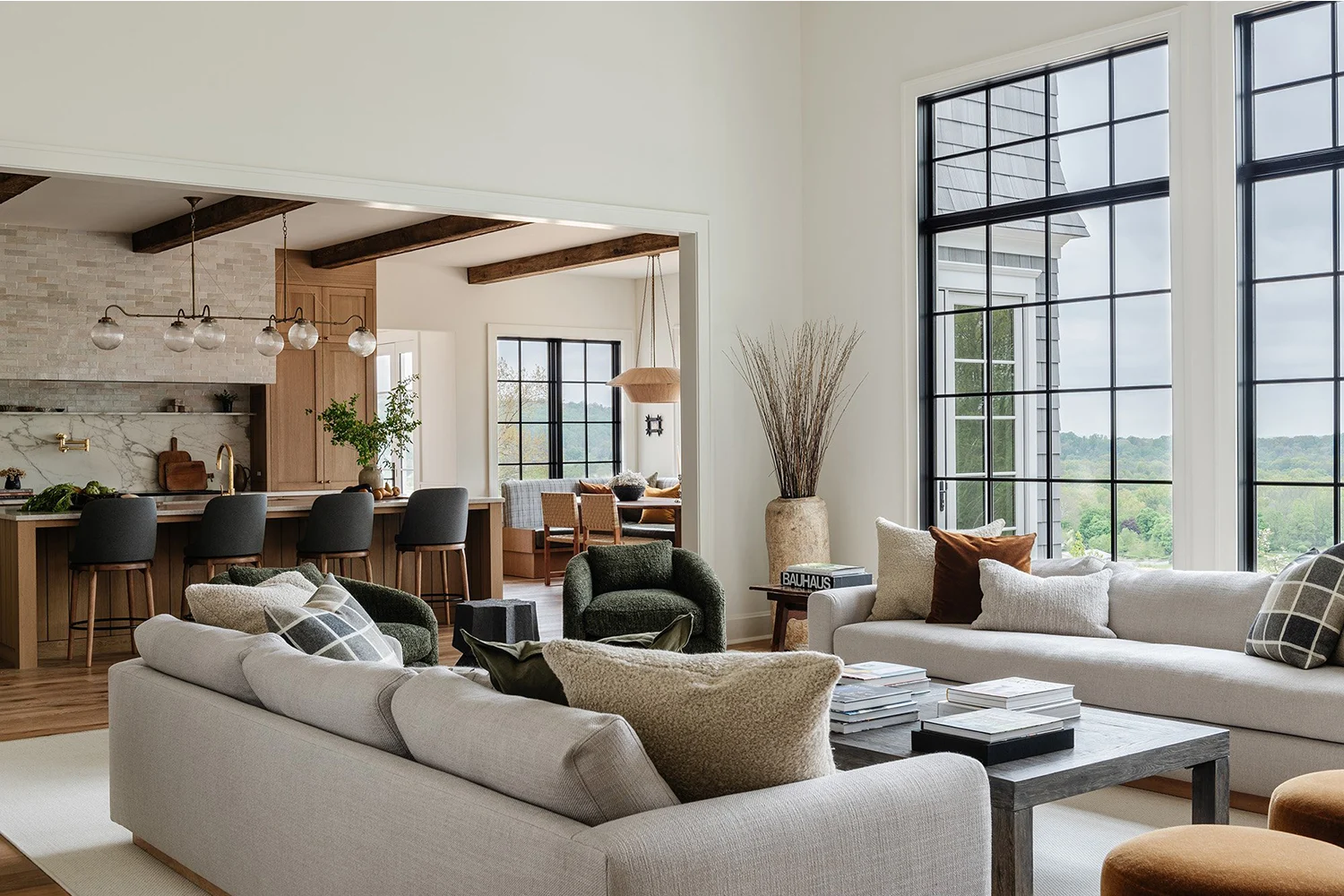
Cozy house interiors are more than simply a fad; they are a reflection of the warmth, comfort, and emotional bond that people have with their living areas. The concept of home coziness extends beyond cozy furniture or physical warmth; it’s about fostering an environment that encourages rest, safety, and peace. Whether you live in a large home or a tiny apartment, you can turn your area into a comfortable retreat with careful planning, deliberate décor selections, and an emphasis on comfort and uniqueness.
Knowing what coziness means to you is the first step in designing a comfortable home. Some people may associate it with earthy tones, cozy lighting, and cozy blankets. Others prioritize cleanliness, simplicity, and low noise levels. The demands and lifestyle of the individual residing there should be reflected in the comfortable interior design. It should beckon you in, make you feel at home, and entice you to remain.
Lighting is frequently regarded as the cornerstone of a comfortable setting. Even the best-furnished space might feel chilly and sterile under harsh, intense lights. The greatest way to create a cozy, welcoming atmosphere is to use layers of light. This involves using floor lamps, table lamps, and candlelight in conjunction with overhead fixtures. You may change the ambiance to fit the time of day or your emotional condition with the use of dimmers and soft white lamps. Often connected with the holidays, string lights or fairy lights can be used all year round in living rooms, bedrooms, or reading nooks to create a mystical glow that heightens the warm atmosphere.
The emotional tone of a space is greatly influenced by color. Rich terracottas, muted greens, warm beiges, and soft browns are examples of earth tones that may create a place that seems loving and rooted. Forest greens, burgundies, and deep blues provide depth and closeness. While keeping a calm atmosphere, light, neutral hues like ivory or taupe can help tiny areas feel more open. It is possible to achieve visual harmony without overpowering the senses by carefully combining these colors on walls, upholstery, rugs, and accessories.
Coziness depends on textures. Any room gains depth and physical comfort by including a variety of materials, such as soft carpets, leather, velvet, linen, natural wood, and velvety blankets. Picture yourself reclining back against linen or velvet pillows, putting your feet on a fluffy wool rug, and settling into a padded armchair covered with a knit blanket. A setting that feels as cozy as it looks is produced by these feelings. The creak of a leather sofa or the rustle of curtains are examples of sounds that contribute to the sensory experience of a comfortable house.
The arrangement of furniture also affects how comfortable a room is. Consider how the furniture arrangement promotes connection rather than maximizing space or showcasing the TV. Intimate seating makes it easier to read quietly or have a discussion. Details like an easily accessible coffee table, a side table for your tea, or a bookshelf that encourages perusing can transform a room into a haven. Steer clear of clutter, but don’t strive for excellence. Cozy homes are about lived-in beauty and personal touches, not showroom shine.
Cozy spaces really benefit from personal touches like family photos, favorite novels, keepsakes from trips, and handcrafted crafts. These components remind you that the area is yours and tell a tale. Whether it’s a quilt handed down through the generations or an assortment of well-worn novels, cozy houses frequently convey a feeling of history and remembrance. These things only need to have meaning for you; they don’t need to be pricey or trendy.
Another frequently disregarded yet potent component is scent. A house might seem like home when it smells like freshly brewed coffee, baked goods, or even a scent you know well. Incense, candles, and essential oils can all be used to gently fragrance a room and add coziness. Due of their connections with warmth and relaxation, scents like lavender, cinnamon, vanilla, and pine are popular options.
The kitchen, which is frequently called the hub of the house, can serve as a focal point for comfort. A cozy kitchen is comfortable, hospitable, and practical. A kitchen may seem cherished and lived in with open shelving, beloved mugs, spice jars, and baked sweets on the counter. The kitchen becomes a space for conversation as much as cooking when a little breakfast nook or corner is furnished with cozy sofas and a table lamp.
Perhaps the most intimate spaces for creating comfort are bedrooms. Soft lighting, blackout curtains, layered bedding, and a comfy mattress all help create a relaxing atmosphere. The room is made cozier with little touches like a soft rug beneath the feet, books on the nightstand, or a bedside lamp. The objective is to generate a feeling of security and tranquility, regardless of your preference for maximalist or minimalist décor.
Bathrooms can also be comfortable. A spa-like ambiance is enhanced by soft towels, organic materials like bamboo or stone, soft lighting, and soothing hues. A few candles, some indoor plants, and a basket of rolled towels can create a tranquil haven in even the smallest bathroom.
The basic yet transforming aspect of indoor plants is a great way to create a warm house. They bring color, life, and a sense of connectedness to the natural world. Greenery purifies the air and produces a soothing visual rhythm, whether it is in the form of tiny succulents on a windowsill or enormous leafy plants like monsteras and rubber trees. Taking care of plants also helps people feel more anchored and at home.
How we create comfortable spaces is also influenced by seasonal variations. Warm hues, layers of blankets, and heavier fabrics are popular throughout the winter months. Whether they are electric, conventional, or ornamental, fireplaces serve as gathering areas and sources of warmth. Cozy doesn’t have to go away during the warmer months; it only changes. Fresh flowers, open windows, and lighter linens keep things feeling cozy without being heavy.
Controlling noise can help people feel more at ease. Carpets, thick curtains, and furniture covered in fabric all aid in sound absorption, which lessens harshness and echoes. The mood and ambiance can be further improved by adding a small tabletop fountain or playing gentle background music, such as jazz or ambient sounds.
It’s not necessary to adhere to rigid guidelines or pricey trends in order to create a comfortable home interior. It all comes down to creating an environment that makes you feel completely relaxed. It promotes self-expression, mindfulness, and self-care. Your house serves as the setting for special occasions, whether you’re hosting close friends, sipping coffee in your favorite chair, or curling up with a book on a rainy day.
Cozy home design is ultimately quite individualized. It’s about creating a living area that seems like an extension of your soul by combining serenity, character, and comfort. Every component, from color and lighting to texture and fragrance, comes together to provide a cozy embrace and tell your story. The objective is straightforward: to establish a home where you always feel welcome, safe, and seen.