
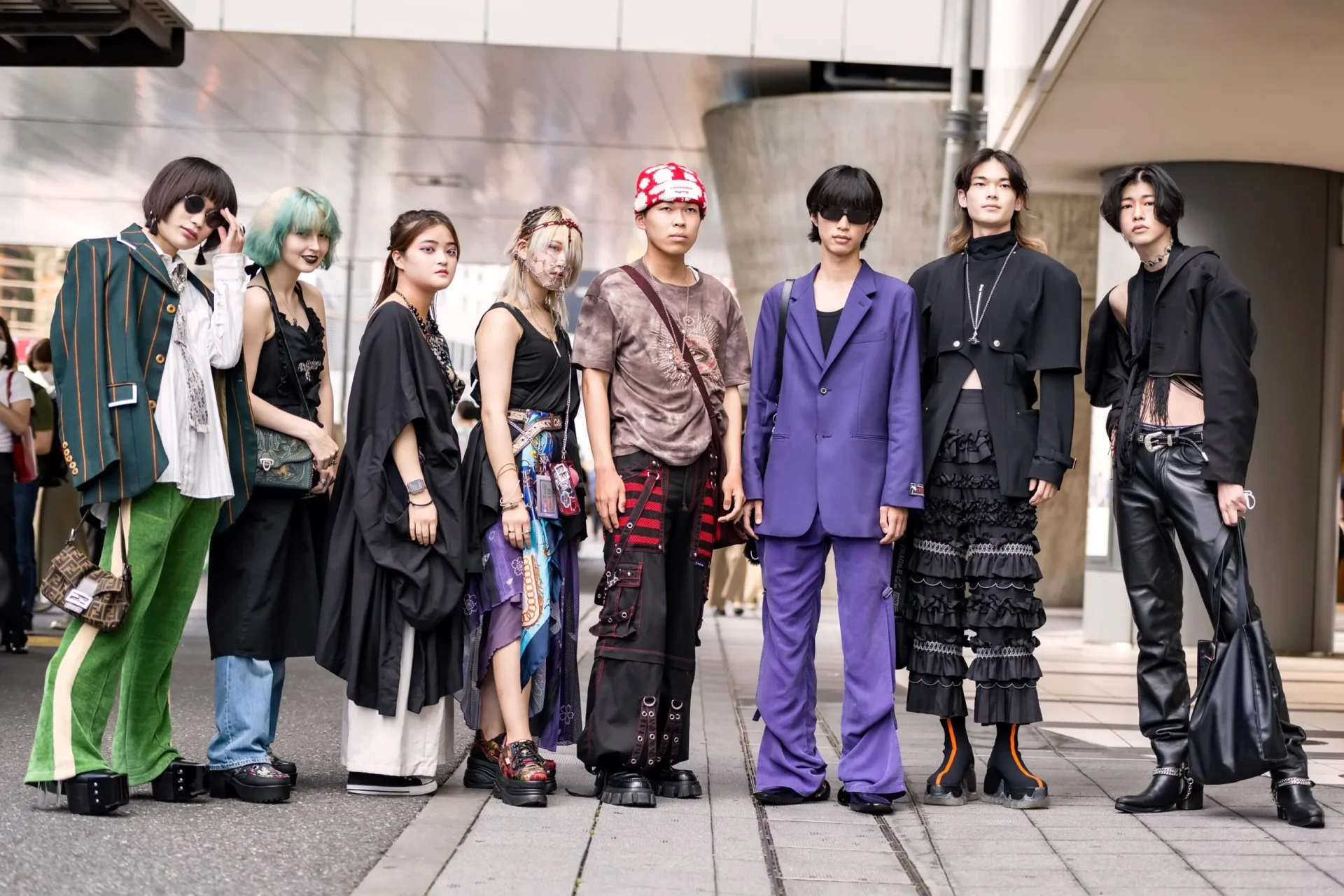
Because of its distinctive fusion of ingenuity, meticulousness, and cultural diversity, Japanese fashion has long captivated the attention of people worldwide. Japanese people are well known for their unique and striking sense of style, which is seen in everything from the busy streets of Tokyo’s Harajuku neighborhood to the elegant sophistication of traditional Kyoto clothing. However, what precisely makes this reputation for stylish clothing possible? The explanations are found in the intricate interactions between social values, cultural history, inventiveness, creativity, and a strong sense of aesthetics.
The rich cultural legacy of Japan is a major factor in the extraordinary sense of style possessed by its citizens. Traditional dyeing methods, kimono craftsmanship, and textile arts have all been practiced and passed down through the generations in Japan. For instance, the kimono is a masterwork of craftsmanship, meaning, and design. The influence of these classic components can still be seen in modern fashion. Many Japanese designers create contemporary yet culturally relevant ensembles by fusing traditional clothing-inspired patterns, textures, and forms.
Furthermore, discipline, accuracy, and harmony are highly valued in Japanese society, and this is reflected in how individuals dress. Japanese fashion places a high value on attention to detail. This covers not just the attire but also grooming, accessories, and general appearance. The Japanese exhibit a sophisticated sense of balance and coordination, whether it is in the careful layering of textiles or the flawless fit of a fitted jacket. Even casual ensembles look elegant and well-curated thanks to this attention to detail.
Japanese fashion culture also places a high value on experimentation and innovation. As a global leader in street fashion, Japan has influenced trends all over the world. Tokyo’s neighborhoods, particularly Harajuku and Shibuya, are well-known for their colorful, avant-garde fashions that combine pop culture, vintage influences, high fashion, and do-it-yourself inventiveness. Japanese youth frequently use fashion as a means of self-expression, defying expectations and fusing minimalist, goth, punk, and Lolita styles to produce something wholly original. This daring approach to fashion keeps things interesting, novel, and constantly changing.
The significance of social identity and community in Japan is another important consideration. People frequently use fashion to show that they belong to a certain group or subculture, such as those who love traditional styles, office workers who dress in sleek business attire, or streetwear enthusiasts. Within those frameworks, these subcultures celebrate individuality while simultaneously promoting adherence to specific fashion codes. Respect for these groups fosters a thriving fashion ecosystem where innovation is valued and encouraged.
Furthermore, Japan’s highly established retail and handicraft industries are advantageous to Japanese fashion. Japan is home to a large number of talented designers, tailors, and craftspeople who create exquisite clothing. The fashion industry makes significant investments in sustainable production practices, innovative fabric designs, and dyeing methods. This produces apparel that is not only fashionable but also cozy and long-lasting. Fashion is elevated from a mere trend to an art form by the emphasis on quality, which guarantees that it is taken seriously.
The development of good fashion sense is also greatly influenced by the media and school system. New generations of designers and stylists are fostered by Japan’s specialized fashion schools and institutes. A thorough awareness of design principles, history, and international trends is fostered by this academic education. In addition, Japanese media—such as publications, TV series, and social media sites—constantly introduces individuals to fashion concepts and encourages individual style. The public’s high level of fashion knowledge is maintained by this mix of media influence and education.
In addition, Japan’s changing seasons promote careful clothing choices. People need to modify their clothes in accordance with the diverse seasons, which include pleasant springs and autumns, humid summers, and freezing winters. This seasonal variation promotes layering, fabric mixing, and color selection that mirrors the shifting moods of nature. Because of this, Japanese fashion frequently combines elegant practicality with seasonal patterns, striking a balance between style and utility.
Japanese fashion is also discreetly influenced by cultural ideas like “wabi-sabi,” which values impermanence and imperfection. This way of thinking promotes natural materials, simplicity, and subtle beauty. These concepts are embodied in many Japanese fashion ensembles, which prioritize simple lines, subdued hues, and classic styles that steer clear of gaudy or excessively lavish components. Japanese fashion differs from other countries’ more flamboyant trends in that it values balance and elegance.
Last but not least, Japan’s social milieu encourages fashion as a significant aspect of everyday existence. Respect for oneself and others is demonstrated by wearing nice clothes. People take care to look good whether they are going to work, going to social gatherings, or just going out in public. People are encouraged to regularly work on their appearance and grooming because of this social expectation, which creates a culture in which fashion is a source of pride and a shared value.
In conclusion, there are several reasons why Japanese people dress well. Historical tradition, cultural values that emphasize harmony and detail, creative innovation, a strong sense of community identity, fine craftsmanship, education, media influence, climate considerations, and underlying philosophies like wabi-sabi are all contributing factors. A fashion culture that is dynamic, respectful, expressive, and firmly anchored in the past and present is produced by the combination of these factors. Numerous fashion fans and designers worldwide are inspired by Japanese fashion, which is distinctive and highly regarded due to its rich tapestry.