
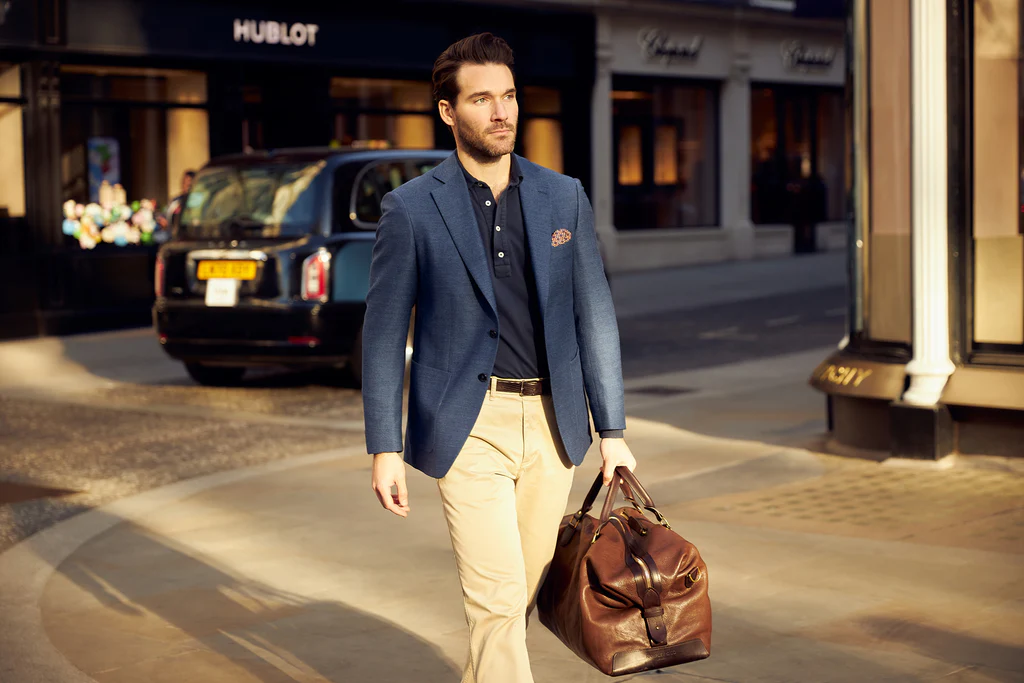
In the ever-changing world of fashion, individuality and inventiveness are paramount. High-low fashion is one of the many ideas and trends influencing how people dress, and it has attracted a lot of attention lately. In order to achieve a distinctive and well-balanced look, this idea refers to the practice of combining expensive, luxury things with more reasonably priced, everyday goods. It questions conventional notions of attire and enables individuals to express their uniqueness while remaining economical, fashionable, and useful.
Fundamentally, high-low fashion is the blending of several fashion levels, from fast-fashion or secondhand finds that are more widely available and reasonably priced to designer names that are frequently pricey and exclusive. An intriguing, adaptable, and unique ensemble is produced by combining luxury with casual or inexpensive elements. One common example of high-low fashion is wearing high-end shoes with a simple outfit or a premium purse with a basic T-shirt and trousers.
High-low fashion has gained popularity in part because it makes fashion more accessible to all. In the past, the privileged who could afford luxury goods and those who purchased less expensive apparel were frequently separated by fashion. By promoting mixing and matching across price points, high-low fashion dismantles these barriers. This method frees people from feeling compelled to constantly purchase pricey things in order to look trendy, allowing them to make creative use of what they already have or can afford.
The focus on individuality in high-low fashion is another alluring feature. The high-low style enables consumers to carefully pick their outfits in a world where mass fashion creates trends. People can create a look that expresses their individuality and way of life by mixing statement luxury goods with regular attire. Instead of mindlessly adhering to norms or trends, this mix-and-match approach promotes experimentation and creativity, making fashion enjoyable and unique.
High-low fashion has useful advantages as well. High-end fashion items are frequently renowned for their excellence, durability, and craftsmanship. Purchasing such items entitles you to clothing or accessories that are distinctive in terms of style and materials and have a longer lifespan. These luxury pieces, when combined with reasonably priced staples, can transform an ensemble and make it appropriate for a variety of settings without necessitating a whole wardrobe makeover. Because it promotes investing in fewer, higher-quality pieces rather than continuously purchasing new, lower-quality clothing, this practicality fits in nicely with the objectives of sustainable fashion.
High-low fashion also aids in better budget management. Mixing high and low pieces is a cost-effective method to add luxury features, as not everyone can afford to purchase entire designer ensembles. Individuals can balance their wardrobe with reasonably priced basics while saving money by investing in a few statement pieces or expensive accessories. This equilibrium allows for more frequent wardrobe changes and new styles without going over budget.
The popularity of high-low fashion has been greatly aided by the influence of social media and fashion bloggers. Influencers frequently demonstrate how they combine pricey designer items with reasonably priced apparel, encouraging followers to follow suit. Through the community these online platforms foster, fashion becomes more approachable, inclusive, and informative. People discover how to creatively design things and realize that it’s not necessary to spend a bunch to look stylish.
Modern lifestyle shifts are also reflected in high-low fashion. The demand for adaptable attire has increased as a result of more relaxed dress requirements in social and professional contexts. People seek out apparel that they can wear from work to play or from day to night without feeling uncomfortable. This is easily accomplished with high-low clothing, which blends comfort and sophistication. For example, a high-end jacket worn over a basic T-shirt and sneakers might look put together even in a laid-back work setting.
Additionally, by encouraging conscious consumption, this fashion approach integrates sustainability trends. High-low fashion inhibits fast fashion’s disposable mentality by emphasizing quality and promoting combining items from an existing wardrobe. Customers learn to value the quality of premium goods, become more conscientious about their purchases, and make their entire wardrobe more environmentally friendly.
There are difficulties with high-low fashion. A strong sense of style and an awareness of how various pieces work well together are necessary to strike the ideal balance between expensive and reasonably priced goods. Outfits that are poorly put together can appear haphazard or mismatched rather than fashionable. Therefore, when playing with high-low looks, it helps to have some understanding of color coordination, proportions, and occasions.
The high-low concept has also been adopted by fashion designers and businesses in recent years. Numerous high-end brands have introduced diffusion lines, which are more reasonably priced collections that make their design aesthetics more widely accessible. The distinction between luxury and regular clothes has also become more hazy due to partnerships between fast-fashion merchants and high-end designers. These advancements encourage mixing across price groups and make fashionable things more accessible, which further contributes to the appeal of high-low wearing.
Additionally, high-low fashion questions societal norms surrounding attire and social standing. Wearing premium products has long been seen as a sign of social standing and affluence. The high-low method upends this by demonstrating that confidence and style are influenced by one’s personal style and clothing choices rather than just pricey labels. A more varied and inclusive fashion culture is a result of this democratization of the industry.
To sum up, high-low fashion is a fresh and contemporary way to dress that blends affordability with elegance. It enables people to embrace sustainability while remaining fashionable, manage their finances wisely, and express their creativity. High-low fashion promotes inclusion and individual expression by dismantling the conventional lines separating luxury and casual apparel. This merging of various price points and styles is probably going to continue to be a popular and significant trend as fashion continues to change, reflecting the many and functional needs of today’s fashion-conscious people.