
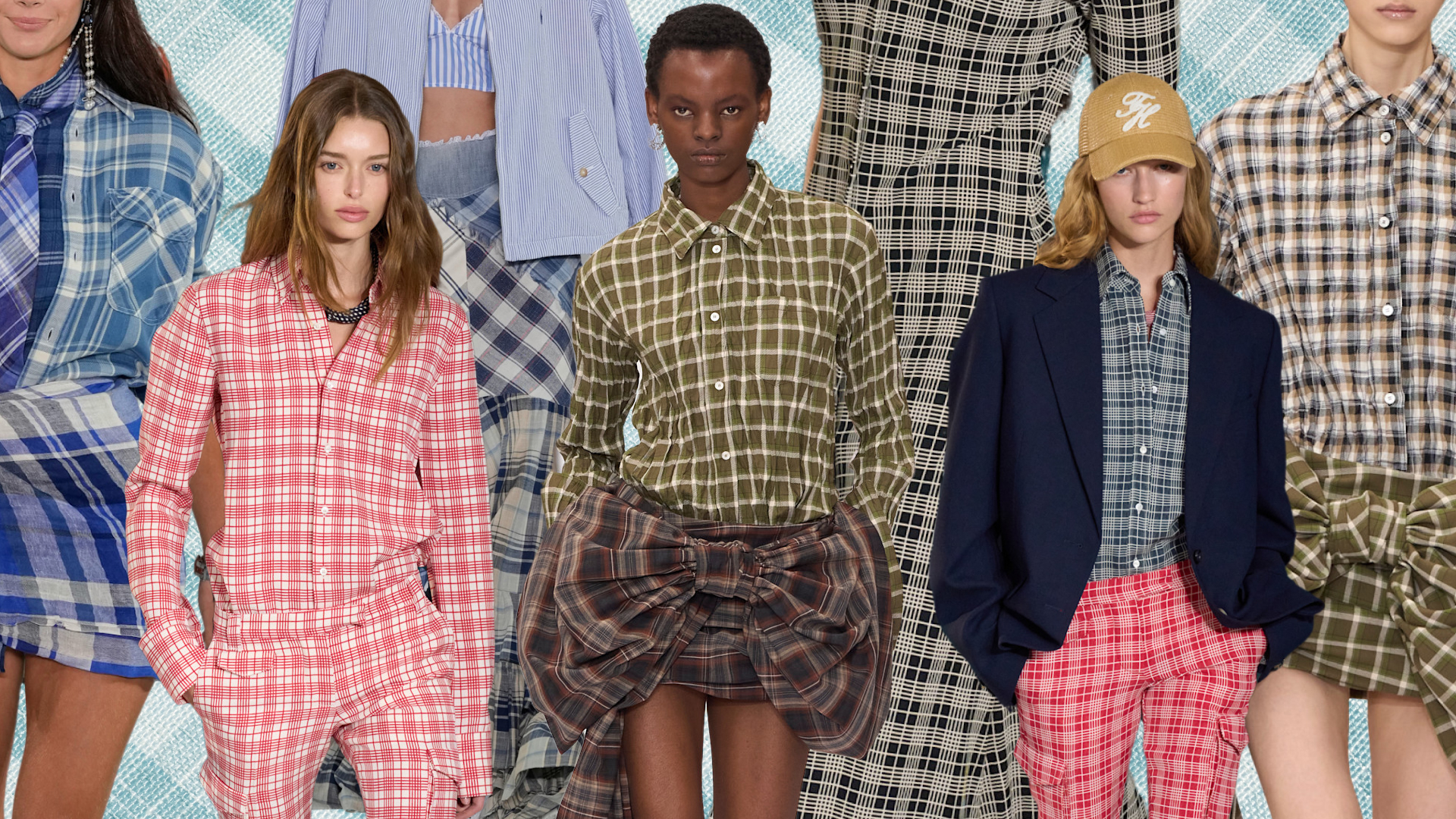
One of the most classic and identifiable patterns in the fashion industry is plaid. Plaid, which has a rich history spanning centuries and civilizations, is characterized by its intersecting lines and checkered designs. It is still a mainstay in wardrobes all over the world because of its adaptability to shifting fashion trends, classic charm, and versatility. In order to comprehend plaid fashion, one must investigate its history, development, cultural significance, and integration into modern fashion.
Plaid’s roots are firmly ingrained in Scottish culture and go back hundreds of years. Plaid patterns, traditionally referred to as tartan, were used to symbolize many Scottish clans, with each design denoting a certain family or geographical area. Woolen materials used to make blankets, scarves, and kilts were woven with these designs. The distinctive colors and patterns of tartans gave the Scottish communities a feeling of pride and belonging. Over time, plaid’s cultural relevance expanded beyond its initial setting and made its way into the larger fashion industry.
Plaid was adopted by many nations and fashion movements as it spread outside of Scotland, changing to suit a variety of tastes and fashions. Plaid was a common fabric design in several nations by the 19th and 20th centuries, and it was frequently connected to everyday and workwear. Plaid flannel shirts, for instance, have come to represent tough outdoor lifestyles and blue-collar workwear in the US. Plaid was able to stay relevant in daily fashion because of its association with durability and functionality.
Plaid has been popular in high fashion despite its connotations with practicality. Plaid has been creatively reimagined by designers throughout history, who have used it to produce striking statements and elegant styles. Plaid has served as a representation of both rebellion and sophistication since the punk movement of the 1970s and continues to do so in modern runway ensembles. Because of its grid-like structure, designers may play around with color, scale, and texture to create countless variations that keep the pattern interesting and novel.
Plaid’s remarkable adaptability is one of the reasons it continues to be a staple in fashion. It can be dressed in a myriad of ways to fit various personalities and events. Shirts, skirts, dresses, coats, jeans, and accessories like scarves and purses are all examples of plaid clothing. Plaid easily adjusts to the occasion and mood, whether it’s worn as a tailored plaid jacket in a business situation or as a casual flannel shirt with jeans. The design can be dramatic and striking with vivid colors or delicate and elegant with muted tones.
Plaid is frequently used in everyday wear as a statement piece or layering element to provide an ensemble visual appeal. For a laid-back, informal style, a traditional plaid shirt can be worn over a plain T-shirt. An otherwise straightforward outfit can benefit from the addition of pattern and color with a plaid skirt or pair of pants. Plaid jackets and scarves provide warmth and style during the cooler months, frequently taking center stage in winter ensembles. The pattern is a dependable option for creating a varied wardrobe because of its timeless charm, which guarantees that it will never go out of style.
Plaid’s enduring appeal is also influenced by its cultural significance. Wearing plaid is a common way for people to express their identity via fashion or to connect with their ancestors. The historical significance of tartan designs is still preserved in Scotland, where they are proudly worn during rituals and festivities. Plaid has come to be associated with subcultures like grunge and punk in other parts of the world, where it stands for unconventionality and a do-it-yourself mentality. Beyond its aesthetic appeal, plaid gains emotional depth from these associations.
Furthermore, plaid is quite practical due to its versatility throughout several fashion seasons. Heavy materials like wool and flannel are frequently used in plaid textiles throughout the fall and winter to provide warmth without sacrificing design. Rich, autumnal colors like deep reds, greens, and blues are commonly used in these pieces, and they go nicely with seasonal palettes. Lighter plaid materials in pastel or vibrant hues are popular for dresses, skirts, and shirts in the spring and summer because they provide a cool, airy, yet stylish and lively appeal.
The versatility of plaid to be combined with different textures and patterns is another significant feature of this style. Properly dressed, plaid may give depth and complexity to ensembles by balancing stripes, florals, animal patterns, and solids. This adaptability promotes creativity and individual expression. A plaid blazer, for instance, looks layered, fashion-forward, and dynamic when paired with a floral blouse or striped shirt.
Additionally, plaid has a place in luxury fashion, where designers frequently use fine fabrics and exquisite tailoring to enhance the pattern. Plaid has been used by numerous renowned fashion houses in their collections, making it a representation of both casual and elegant style. The way plaid is viewed and worn around the world is influenced by these designer designs, which frequently establish trends that spread to mainstream fashion.
Plaid’s popularity has been further strengthened by sustainability tendencies in fashion. Natural fibers like cotton and wool, which are biodegradable and frequently more ecologically friendly than synthetic substitutes, are used to make a large number of plaid fabrics. Plaid apparel is also commonly found in thrift and vintage shops, which makes it a popular option for people who value eco-friendly and used clothing. Because plaid is ageless, items can be worn for many years, lowering the need for frequent replacements.
All age groups and genders have adopted plaid in recent years, demonstrating its universal appeal. Plaid can now function as a common cultural and fashion language since fashion no longer restricts patterns and styles to particular groups of people. Plaid is still a popular pattern among designers and consumers for anything from streetwear to formal dress, and from children’s clothes to adult apparel.
To sum up, plaid fashion is a cultural icon and a timeless, adaptable style element that is much more than just a pattern. It has a long history and can be tailored to fit contemporary styles, which makes it a wardrobe staple everywhere. Plaid adds tradition, originality, and functionality to fashion whether it is worn as a statement item, a casual staple, or an identification emblem. Plaid will continue to be a staple of fashion for many generations to come because of its versatility and timeless appeal.